

For Therapists
Trauma-Informed Tools for Supporting Incest Survivors
Clinically grounded. Survivor-centered. Designed to help you navigate the complexity, depth, and relational intensity of incest trauma with clarity, confidence, and compassion.
For Clinicians Working with Incest Survivors
Supporting incest survivors is some of the most meaningful, and some of the most challenging, work a therapist can do. The wounds you meet in the room are not just psychological. They are relational, neurological, somatic, developmental, and often deeply hidden. Most graduate programs never covered this territory. Most textbooks barely touch it. And yet here you are, sitting across from people carrying trauma that reshaped their entire early world.
You’re not alone if you’ve felt:
- unsure how to navigate dissociation
- intimidated by the complexity of the family system
- confused by reenactments or contradictory behaviors
- afraid of retraumatizing your client
- uncertain where stabilization ends and processing begins
- overwhelmed by the emotional intensity
- worried you’re “missing something important”
These struggles aren’t signs of incompetence.
They’re signs that incest trauma requires specialized knowledge, knowledge that has historically been difficult to find in one place.
This section of Holey House exists to change that.
Here, you’ll find a comprehensive, compassionate, and clinically grounded framework designed specifically for therapists who want to support incest survivors ethically, effectively, and with confidence. Every resource is created with one goal: to expand your capacity while honoring the survivor’s safety and dignity.
What You'll Find Here
The Therapist Hub is organized into eight core pillars, each addressing a critical domain of incest-informed practice. You can think of these pillars as the scaffolding for competent, ethical, and attuned clinical work.
Why This Matters
Therapists often tell me:
“I want to help, but I’m afraid to do harm.”
This entire hub was created for clinicians like you, therapists who care deeply and who want the tools, language, and clarity to walk this path with integrity.
Here, you’ll find:
- trauma-informed explanations
- clinical guidance
- case conceptualization supports
- dissociation-aware interventions
- clear distinctions between reenactments and preferences
- strategies for working with shame and fragmentation
- tools to prevent therapy from replicating past abuse dynamics
- support for your own emotional capacity and well-being
Everything here honors the truth that incest trauma is complex, but treatable when a therapist is equipped with the right knowledge, humility, and grounding.
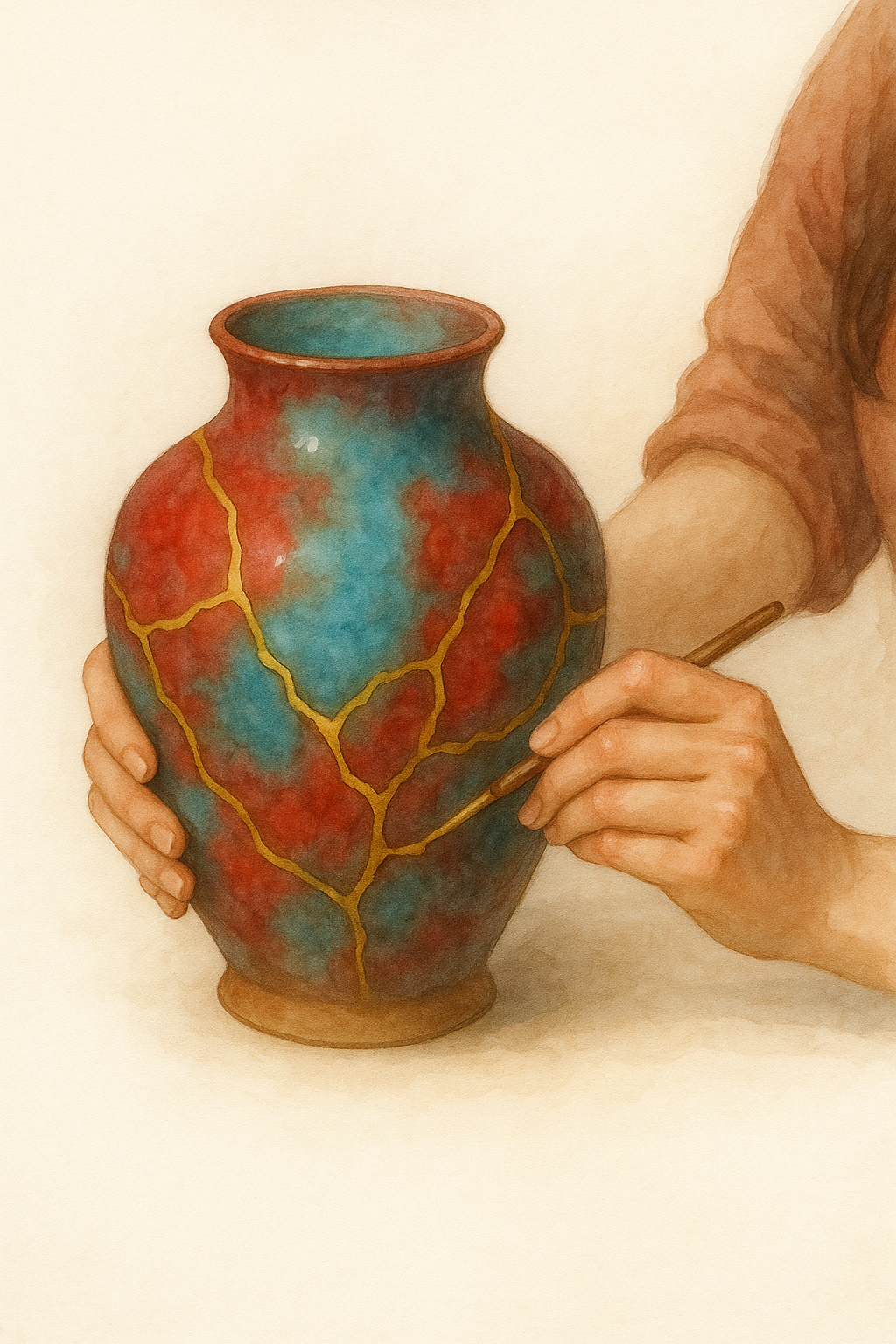
You Don’t Have to Navigate This Alone
You’re doing work that requires courage, attunement, and deep ethical presence. You deserve resources that match the magnitude of that responsibility.
Explore the pillars. Learn at your own pace. Integrate what resonates. Trust that you can support survivors in ways that honor their truth, protect their dignity, and help them build a future far beyond the trauma that once defined their lives.
“Trauma is not what happens to us, but what we hold inside in the absence of an empathetic witness.”
You Are Doing Deep, Courageous Work
Supporting incest survivors is some of the most emotionally and clinically demanding work in trauma therapy. The wounds you meet in the room began in a child’s most sacred bonds, their family, their caregivers, their sense of safety. That means you’re not just treating trauma…
You’re treating the aftereffects of betrayal, secrecy, attachment rupture, dissociation, reenactments, and shame that has lived in the body for decades.
If you’ve ever felt unprepared, afraid of doing harm, or overwhelmed by the complexity, you are not alone. Most therapists never received this training in graduate school.
This page exists to give you the guidance you’ve been missing, and the support survivors deserve.
The Complexity
Incest trauma involves dissociation, attachment injuries, fragmented memories, and reenactments that can look contradictory or confusing. You’re not imagining it, this trauma type is uniquely complex.
The Emotional Weight
Incest stories touch raw human themes: innocence, betrayal, trust, identity, sexuality, family. Feeling activated, protective, or uncertain is normal.
The Emotional Weight
Incest stories touch raw human themes: innocence, betrayal, trust, identity, sexuality, family. Feeling activated, protective, or uncertain is normal.
The Fear of Doing Harm
Many therapists quietly fear retraumatizing clients or missing important cues. That fear is normal, and it tells me you care about doing the work ethically.
Deepen Your Understanding with Research & Clinical Literature
If you want to go deeper into the neuroscience, attachment research, dissociation literature, or long-term effects of childhood sexual trauma, the Knowledge Hub is your research library. Every article is curated specifically for understanding incest trauma through a clinical lens.