

Holey Art
A Sacred Witnessing of Love, Trauma, Survival, and Healing
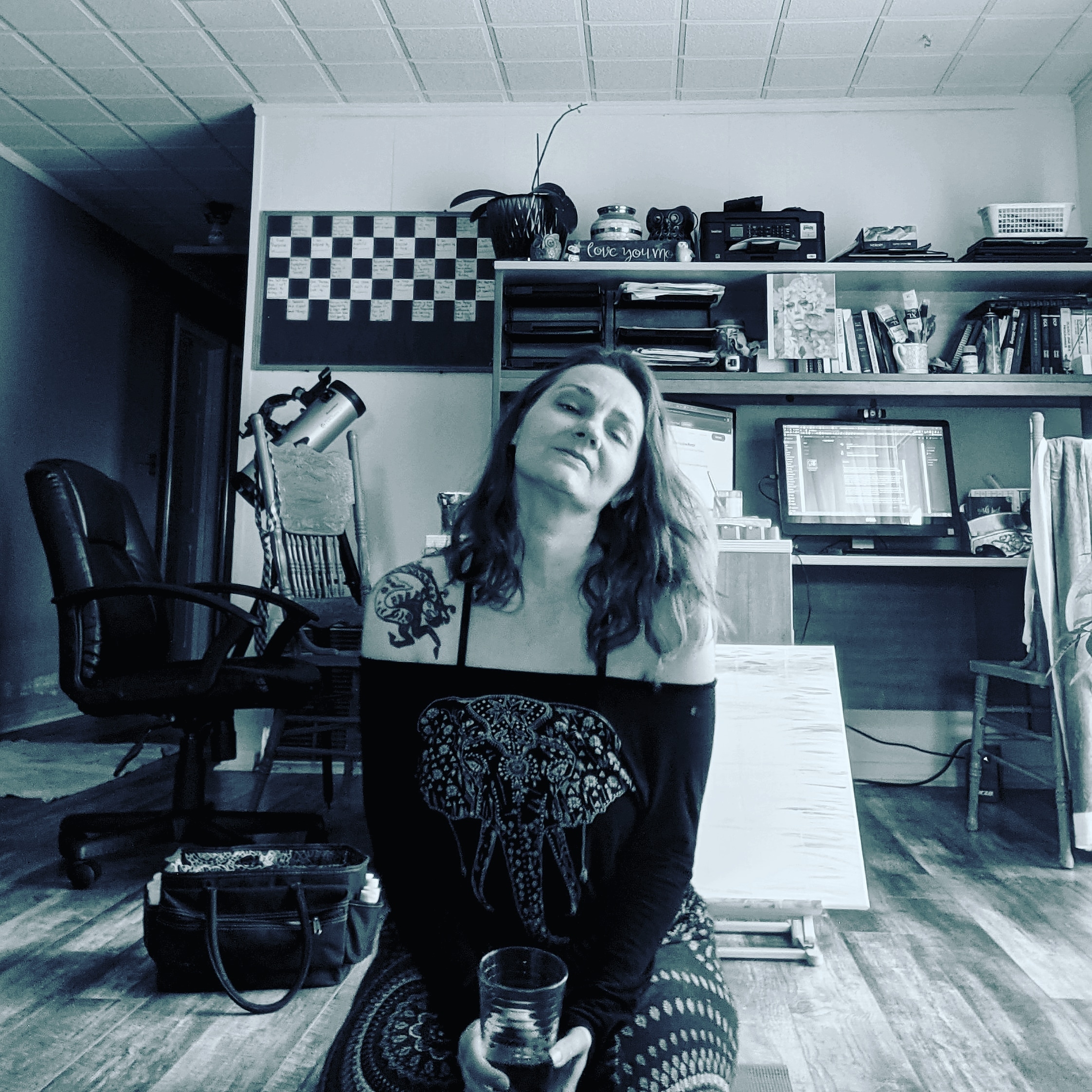
My artwork is not decorative. It is documentary.
Each piece is a record of what happens when love and harm occupy the same body, and what it takes to survive that contradiction without disappearing.
Art Born From Survival, Not Aesthetic Trends
I do not create from inspiration. I create from excavation.
My work emerges from lived experience with trauma, dissociation, attachment injury, and the long aftermath of surviving what should never have happened. These images are visual translations of internal states.
Fragmentation, longing, rage, tenderness, awakening, and repair.
I use layered textures, fractured forms, restrained palettes, and symbolic tension to reflect how trauma reorganizes perception. Nothing here is accidental. Every rupture, every soft edge, every whether saturated or muted, carries meaning.
This is not art meant to soothe.
It is art meant to tell the truth. And in doing so, it makes decades of silent survival visible.
Recurring Themes in My Work
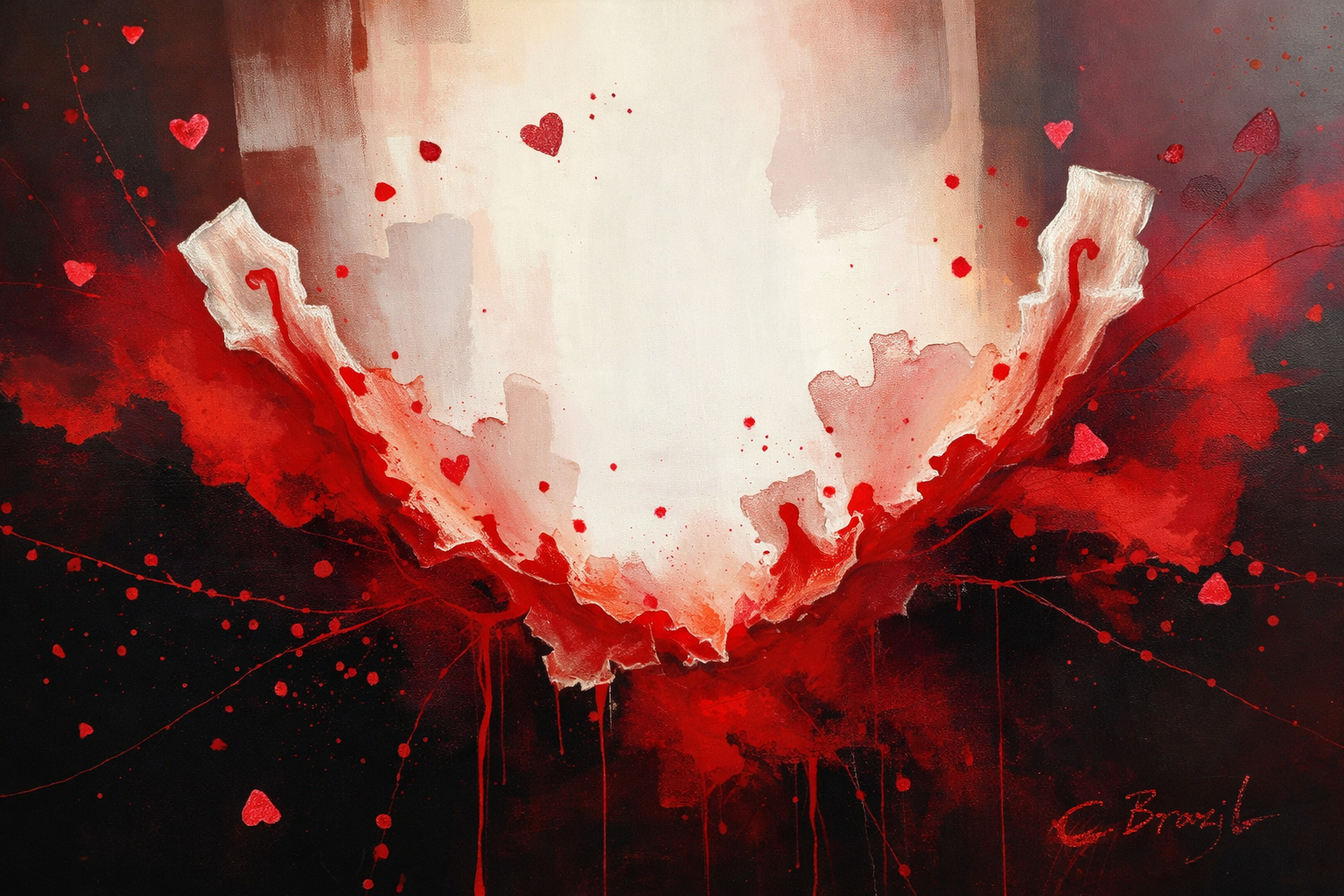
Trauma and its afterimages. Love shaped by injury and longing. Dissociation, fragmentation, and reintegration. Power, vulnerability, and consent. The sacred complexity of survival. The tension between destruction and devotion.
These works often speak to survivors, partners of survivors, anyone who has loved from a wounded place, and anyone who has love someone that's been wounded.
Holey Fire
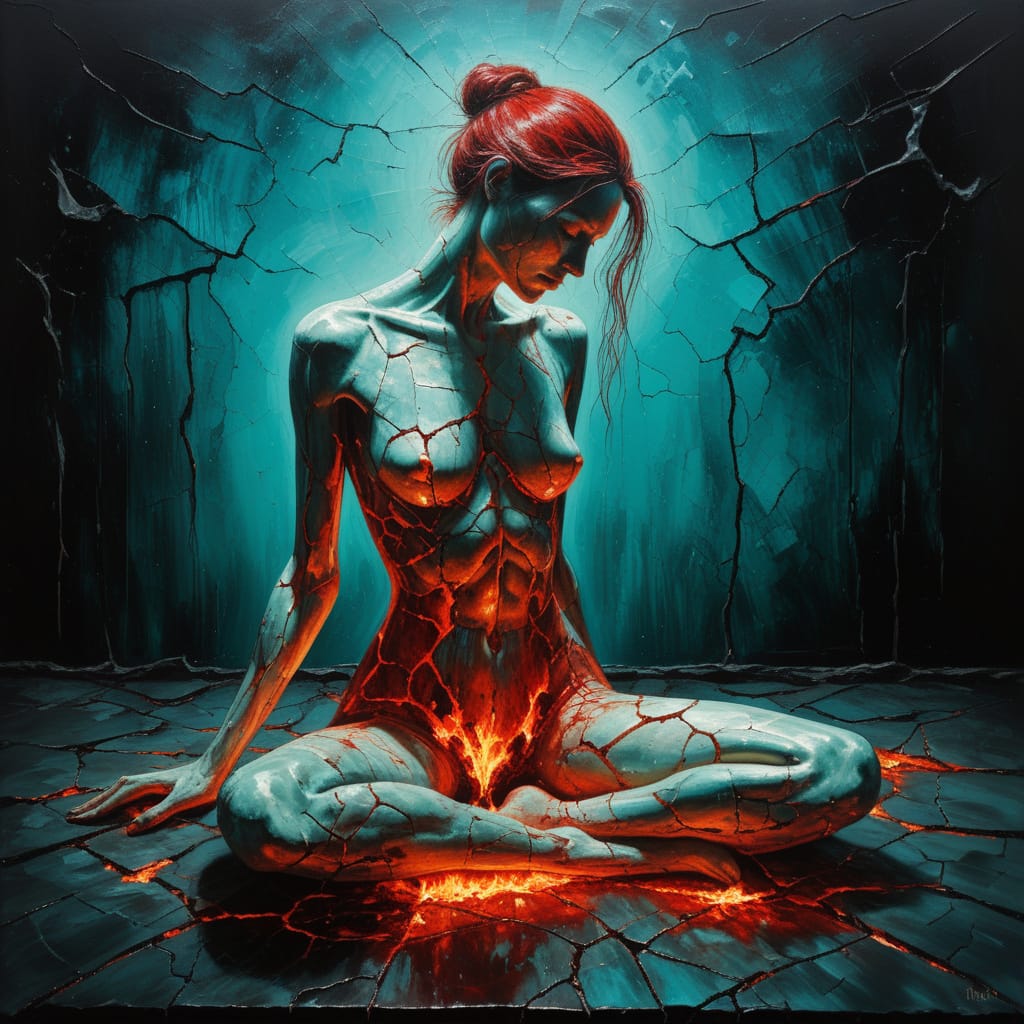
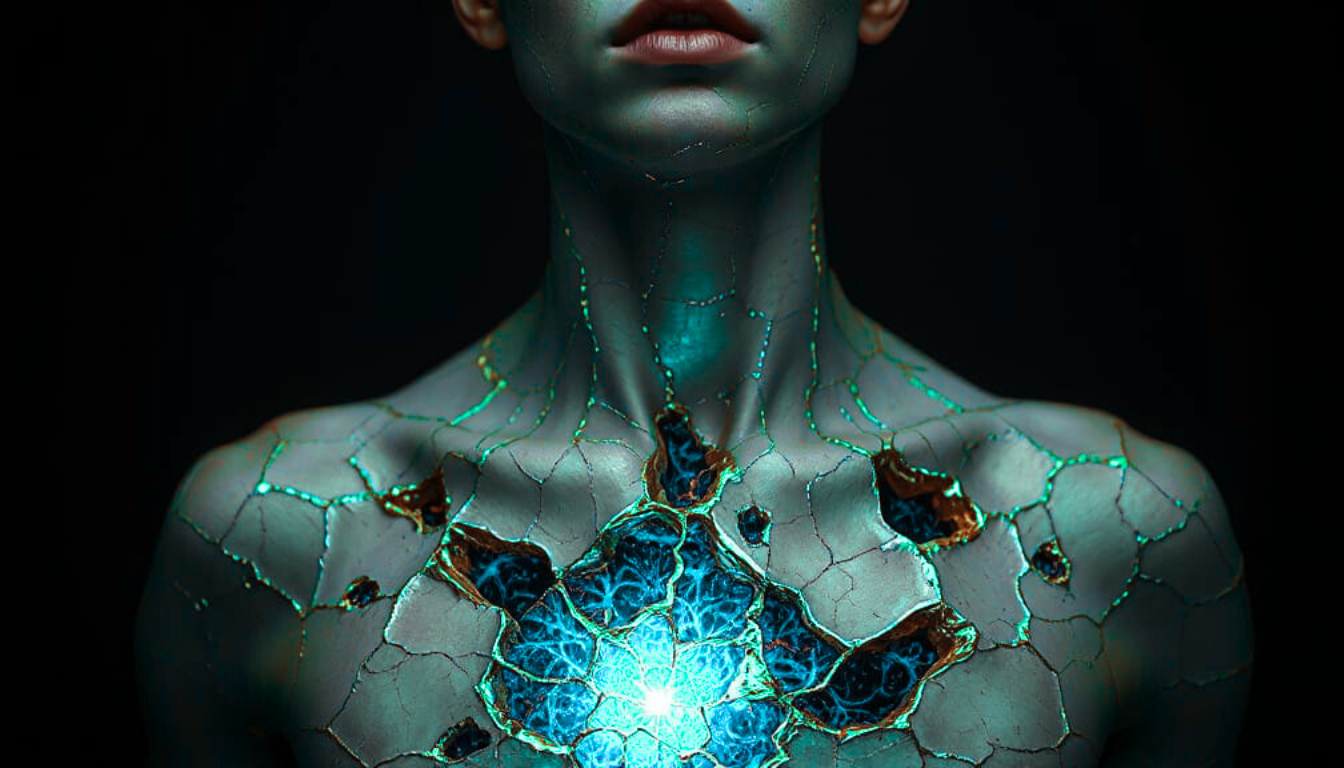
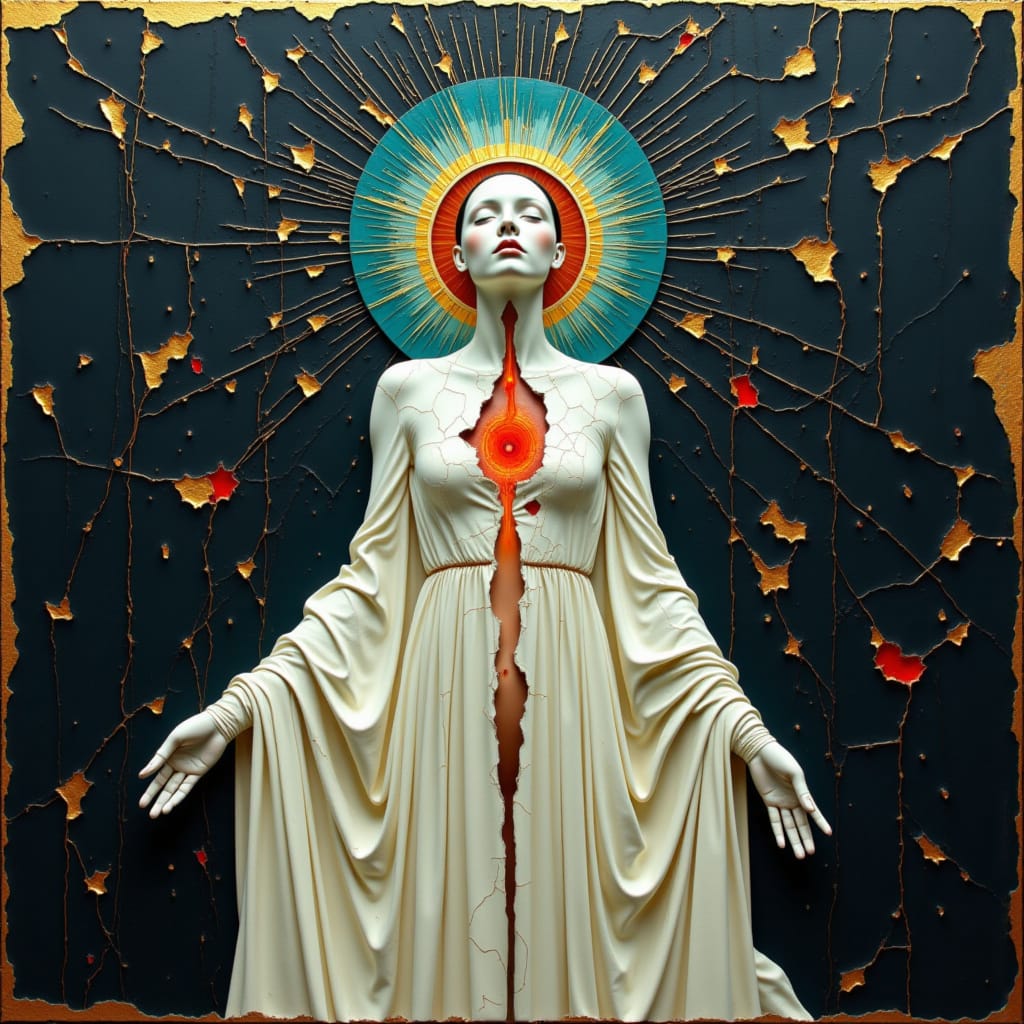
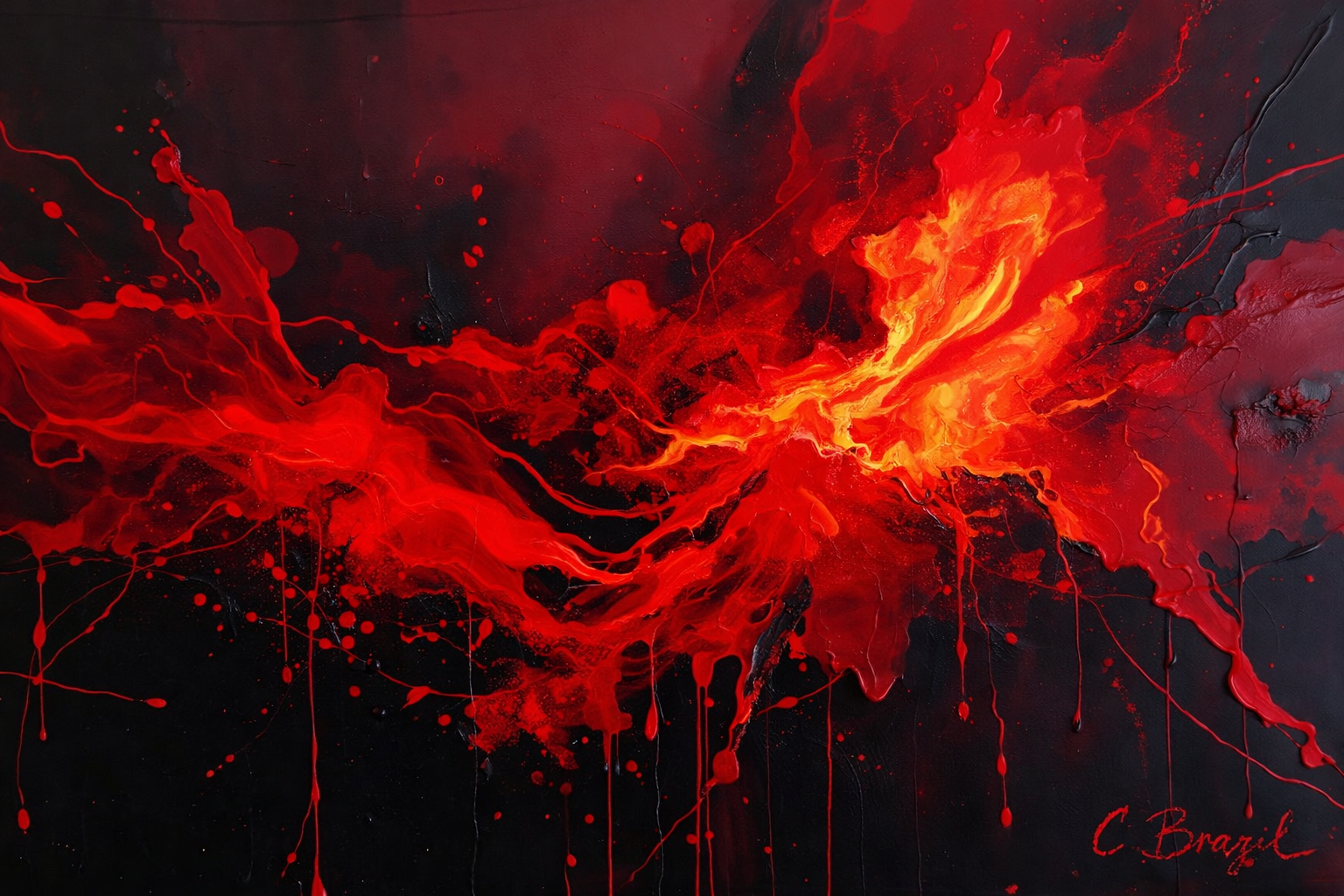
"Holey Fire" is a powerful, visceral series of digital artworks exploring the duality of trauma and transformation. The title itself is a poignant pun — evoking both "holy fire" (sacred, purifying energy) and "holey" (fractured, pierced, broken open). The works visualize the internal experience of prolonged trauma: the way suppressed pain builds pressure until it fractures the self like cooling magma or stressed earth, releasing both destructive fire and luminous life force. Each piece captures the moment when the body can no longer contain what it has endured — and simultaneously reveals the radiant energy of survival, resilience, and post-traumatic growth.
Core Visual Language
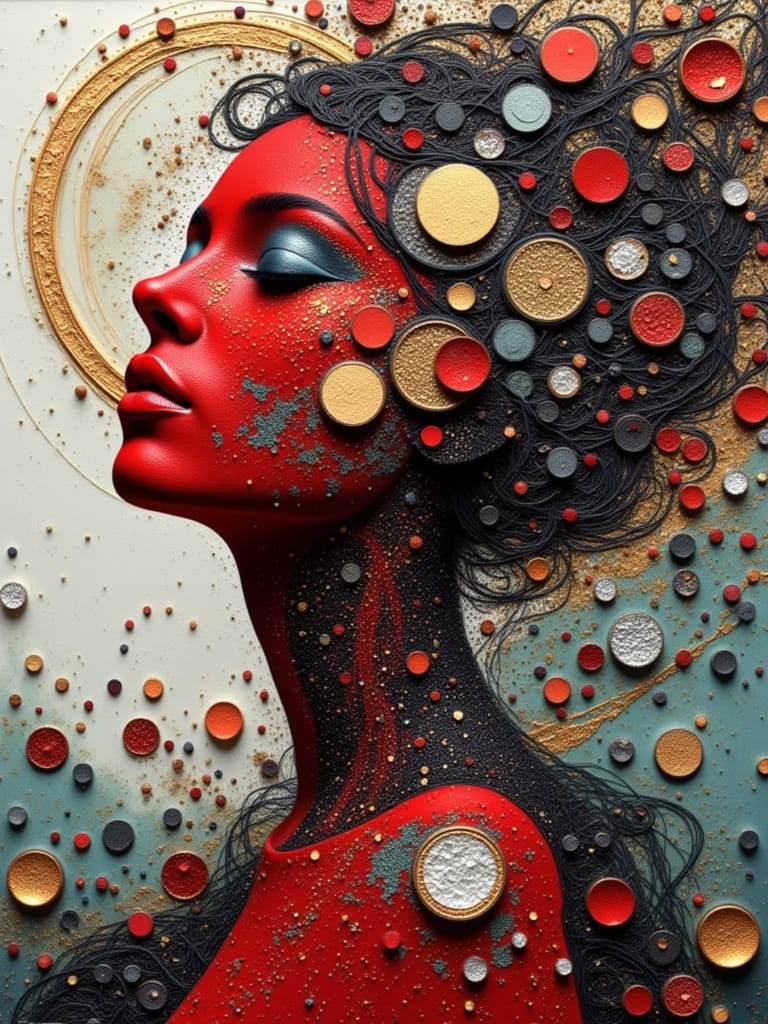
Across the series, human (primarily feminine) figures appear with skin that cracks like parched earth or porcelain. From these fissures erupts glowing lava-like energy — intense oranges, reds, blues, and golds — representing:
Unresolved trauma: The burning, explosive triggers that still live inside.
Resilience & rebirth: The same fire becomes light, star-like bursts, swirling cosmic energy, and sacred halos.
The figures are often posed in contemplative or vulnerable states (seated, eyes closed, head tilted), suggesting introspection amid inner cataclysm. Backgrounds reinforce the theme — cracked walls, shattered floors, dark voids, or cosmic nebulae — mirroring how trauma reshapes one's entire environment and inner world.




Cognitions
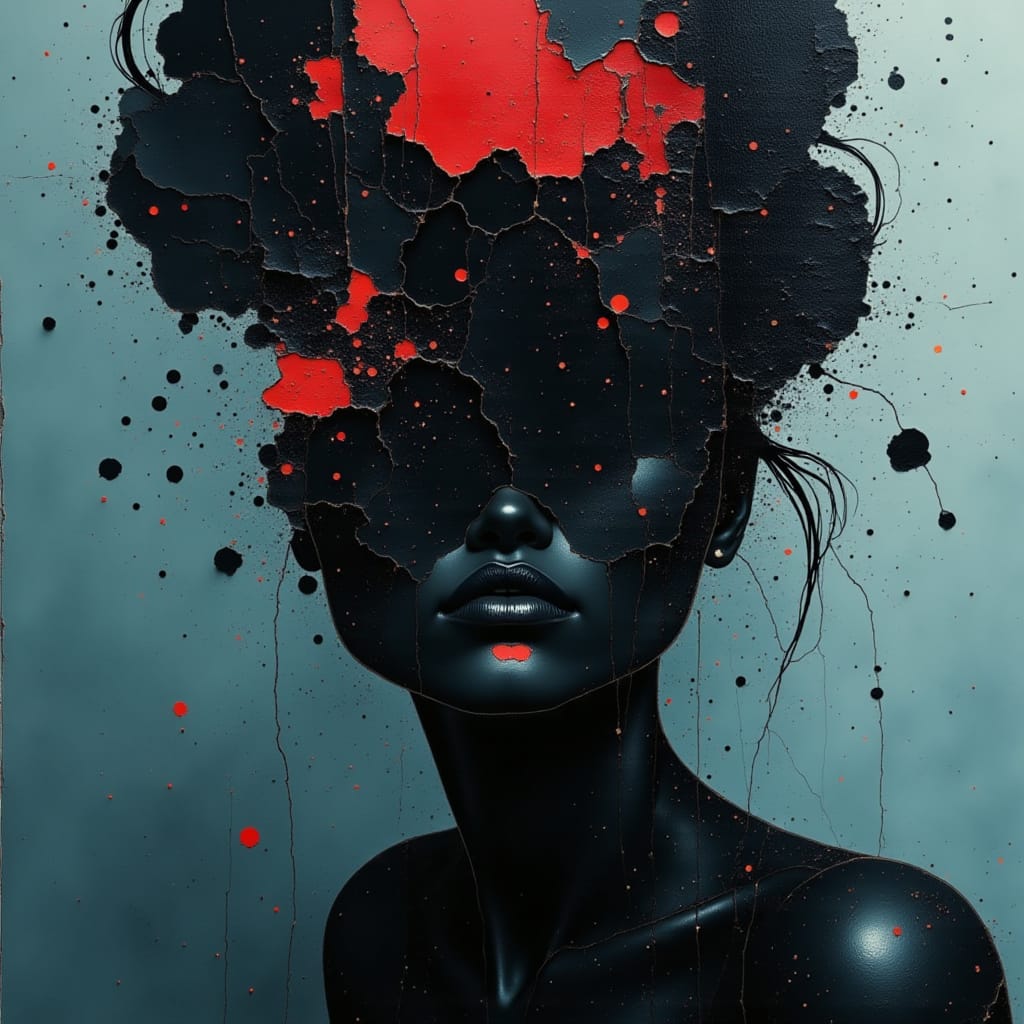
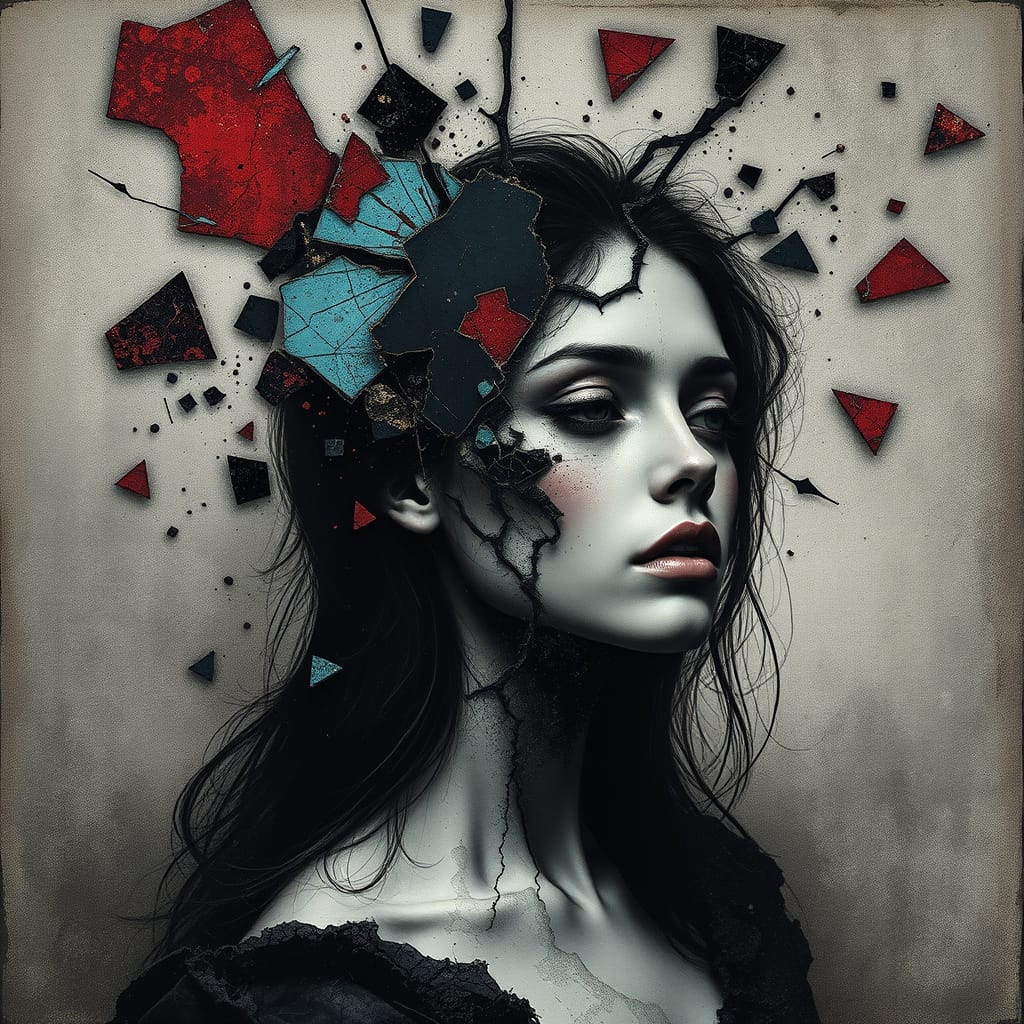
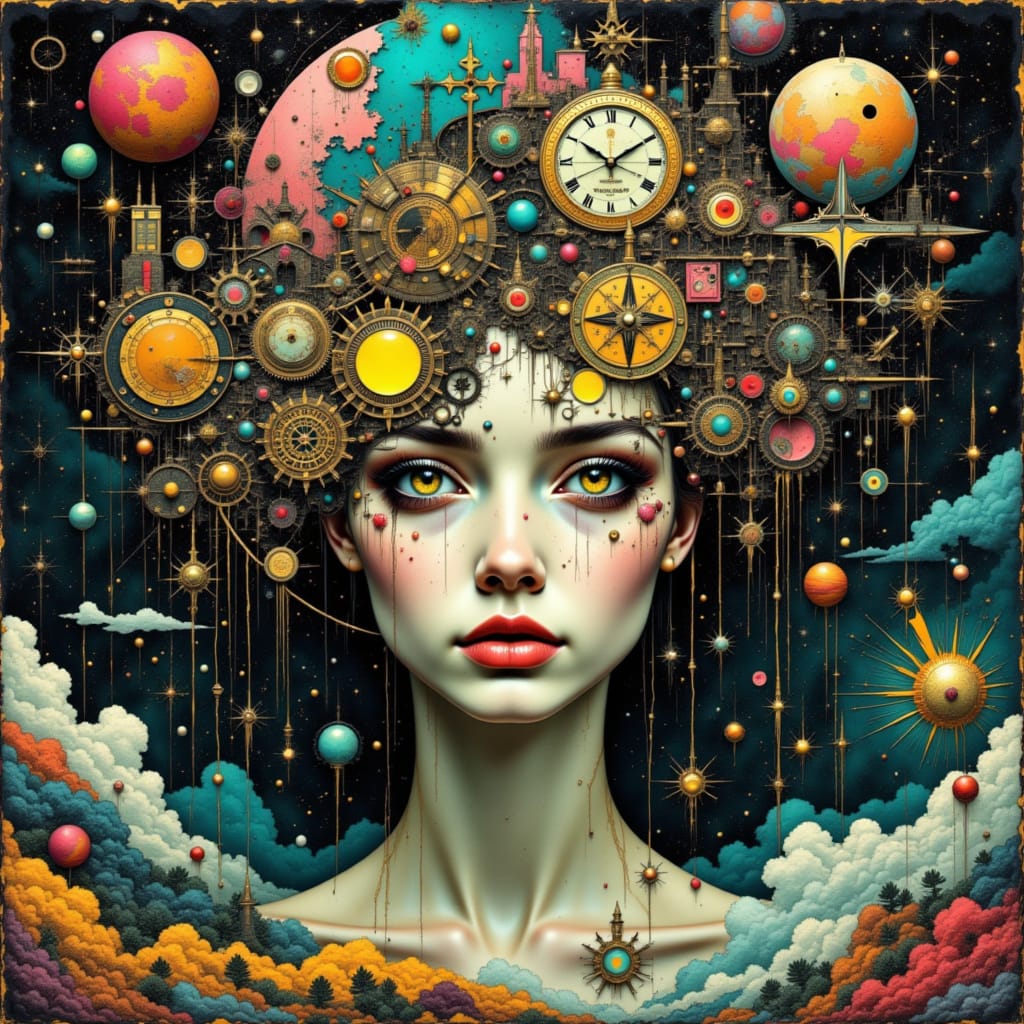
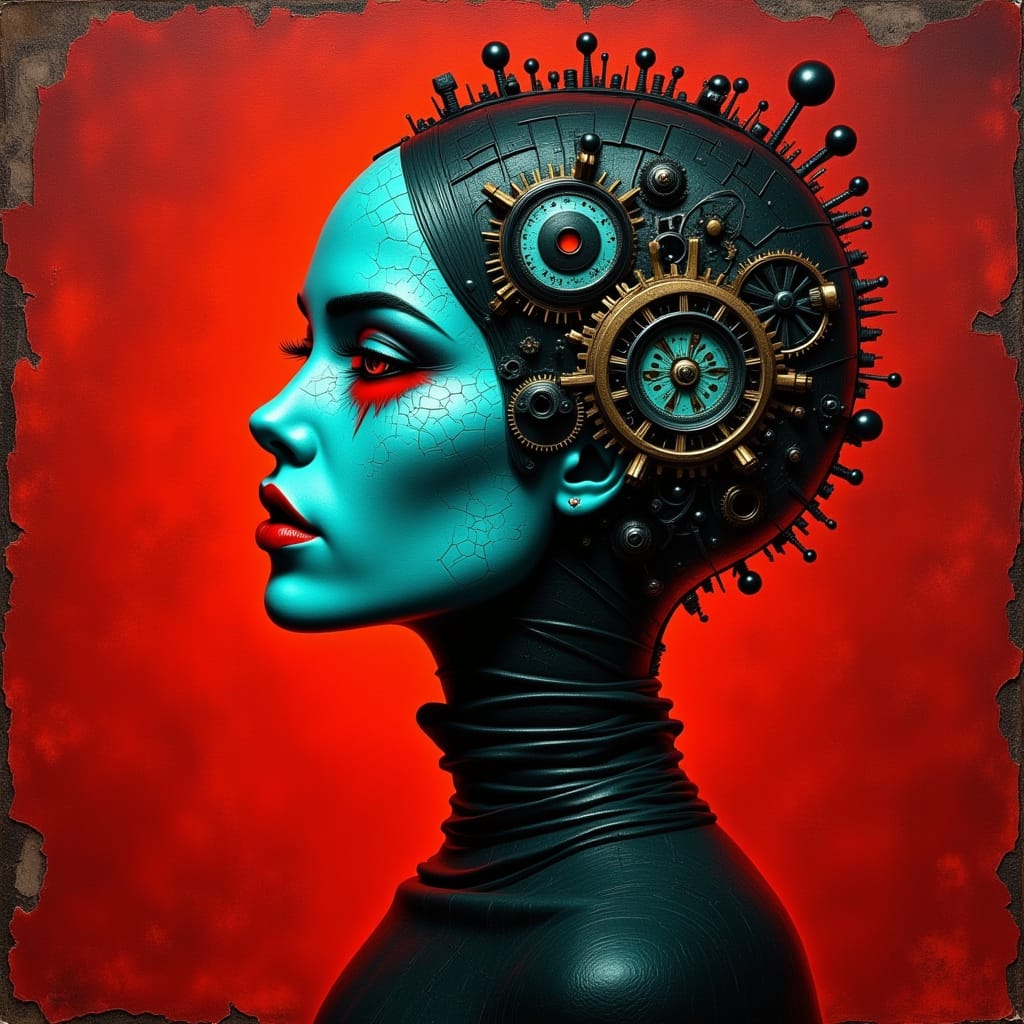
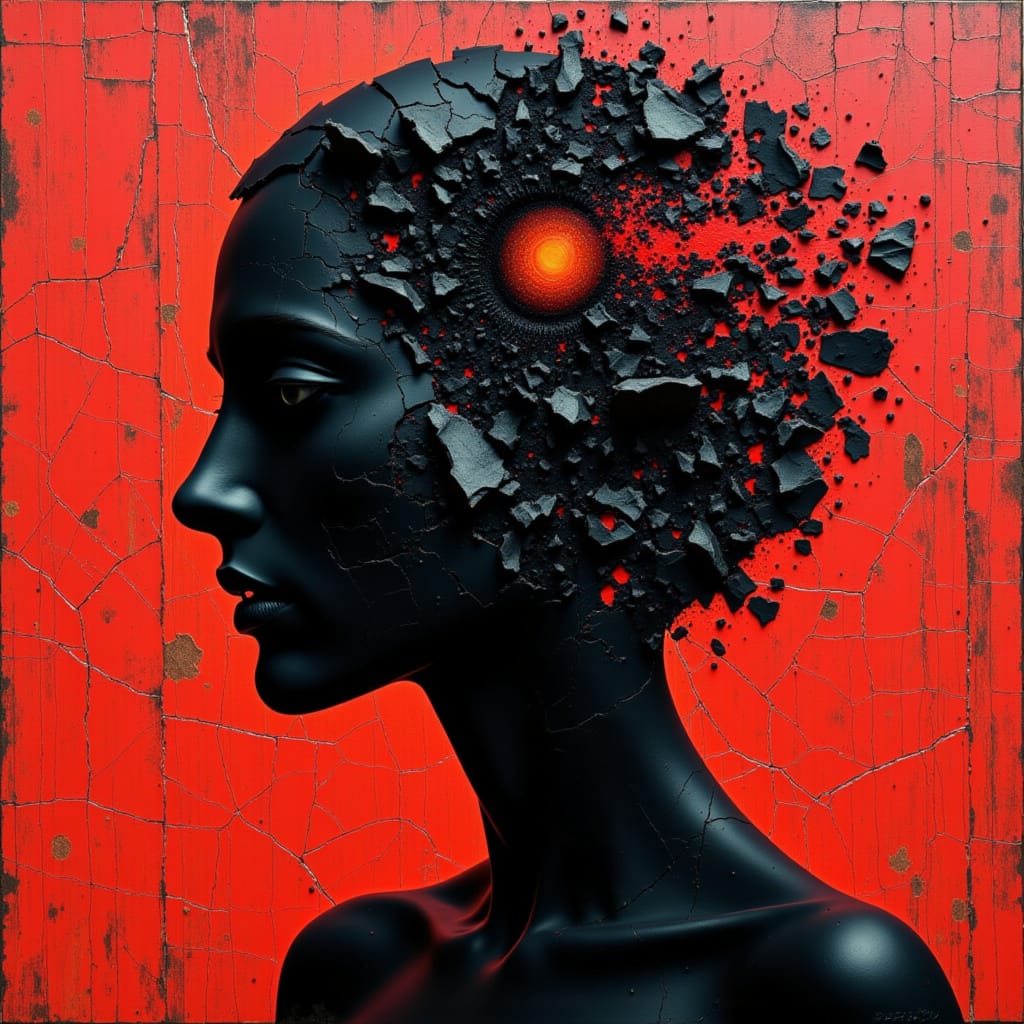
"Cognitions" is a striking series that dives deep into the turbulent inner landscape of the mind under duress. Where "Holey Fire" externalized the burning emotional and somatic experience of trauma, "Cognitions" turns inward to portray the mental aftermath: racing thoughts, shattered identity, fragmented memories, dissociation, and the cold detachment of hypoarousal or emotional numbing.
The artworks use cracking, shattering, mechanical intrusion, and cosmic overload as visual metaphors for a mind that is both breaking apart and desperately trying to hold itself together. The figures often appear elegant yet haunted, beautiful yet fractured — their heads and faces literally coming undone, replaced by voids, machinery, explosions of debris, or overwhelming complexity.
Core Visual Motifs
Fragmentation: Skin and skulls crack or explode into shards.
Mechanical / Artificial: Gears, cogs, and circuitry suggest the relentless, machine-like quality of overthinking.
Absence & Numbing: Large portions of faces are missing, blacked out, or replaced by voids, conveying dissociation and emotional flatness.
Overload: Dense layers of cosmic elements, clocks, and patterns represent the exhausting mental noise and rumination.
Color Palette: Heavy use of stark black/red contrasts, cool metallics, and occasional vibrant cosmic bursts to show both numbness and the chaotic energy beneath it.
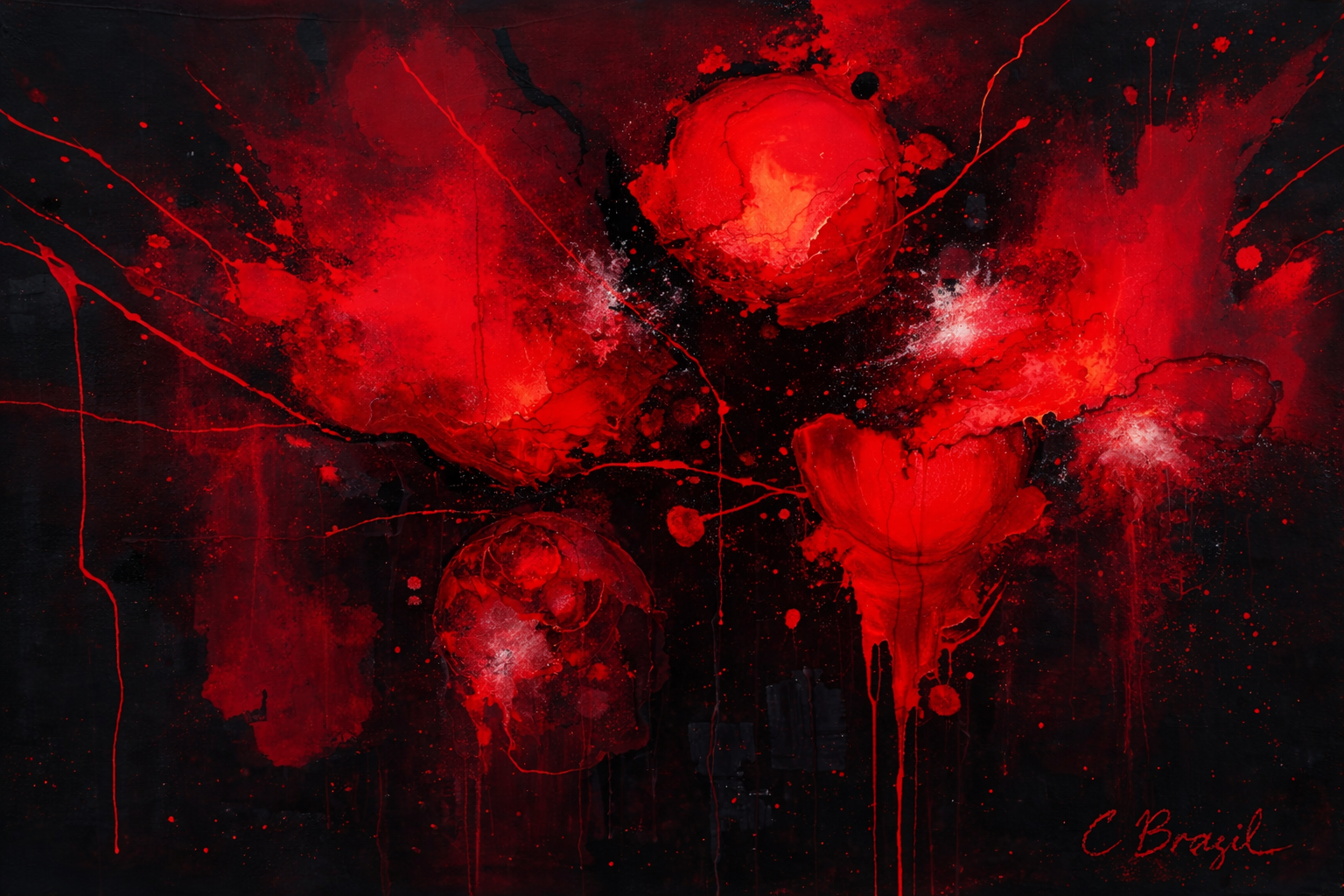
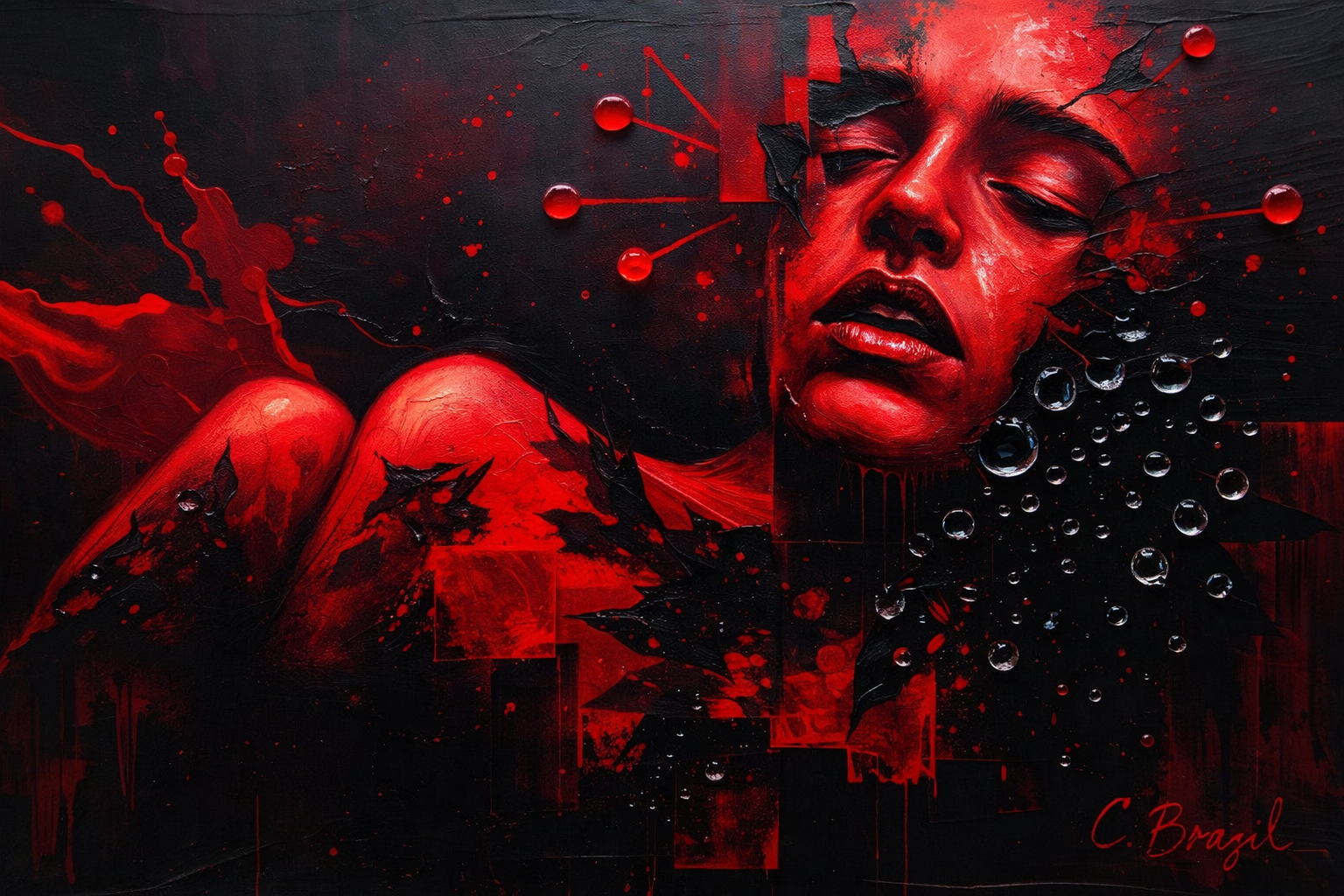
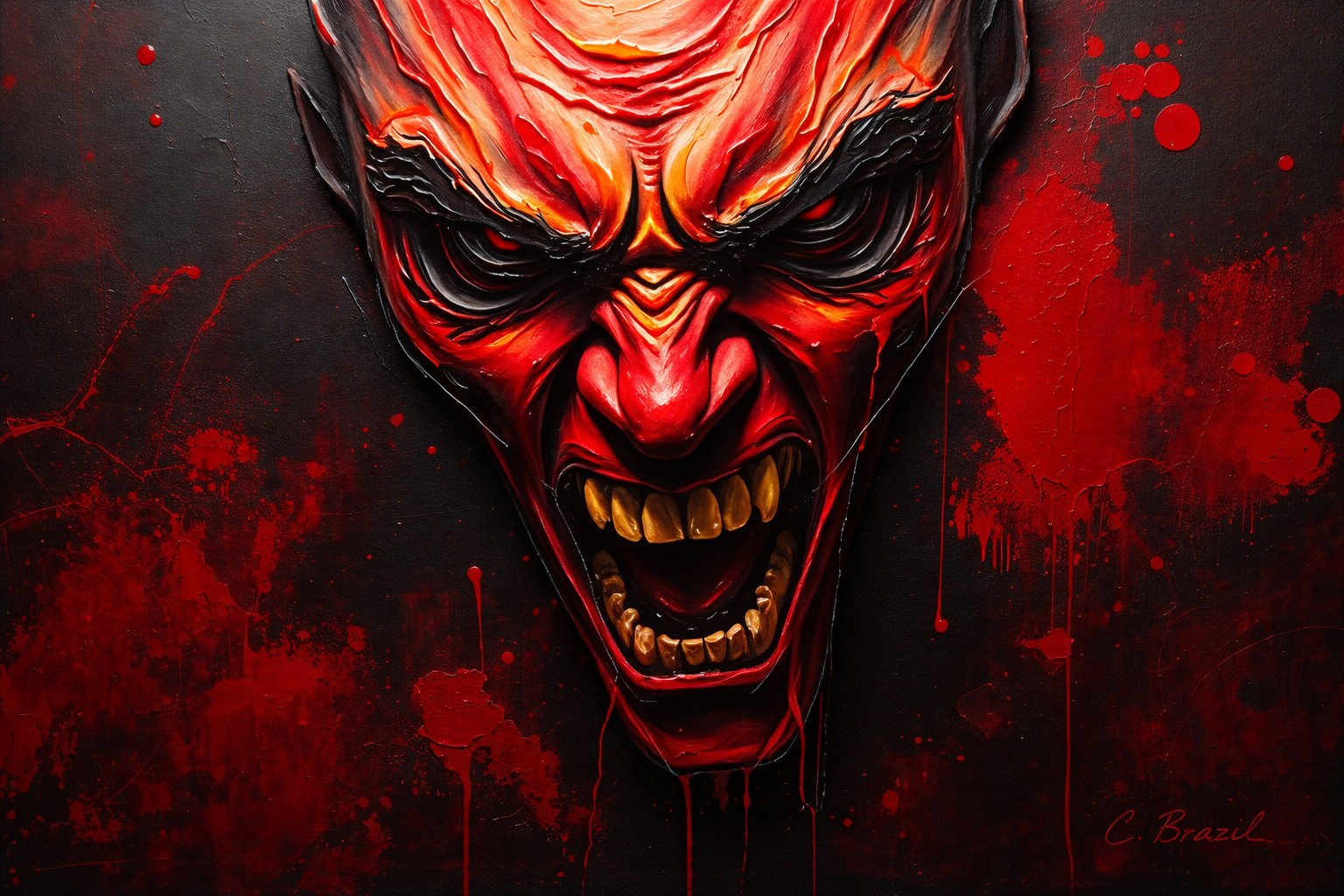
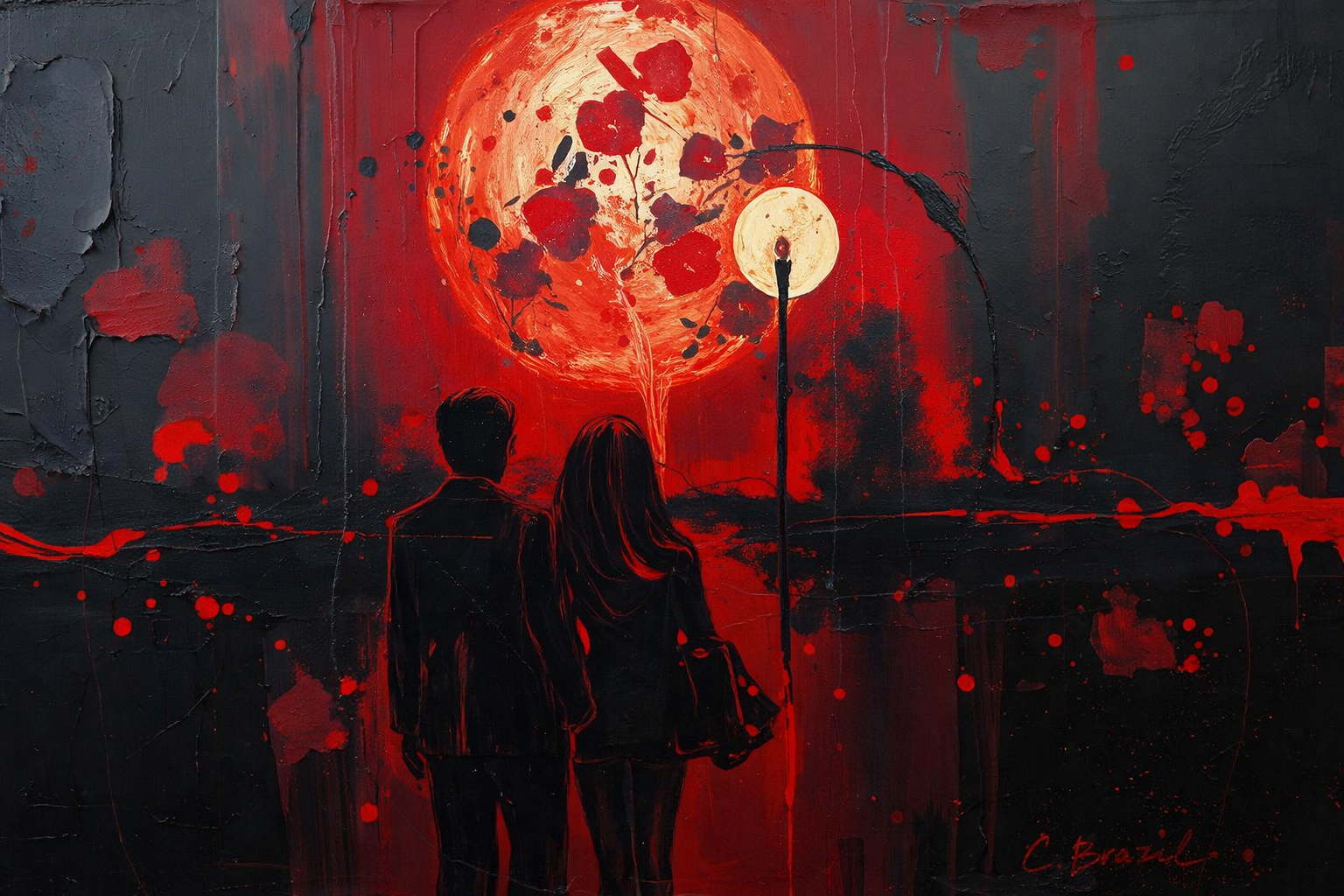
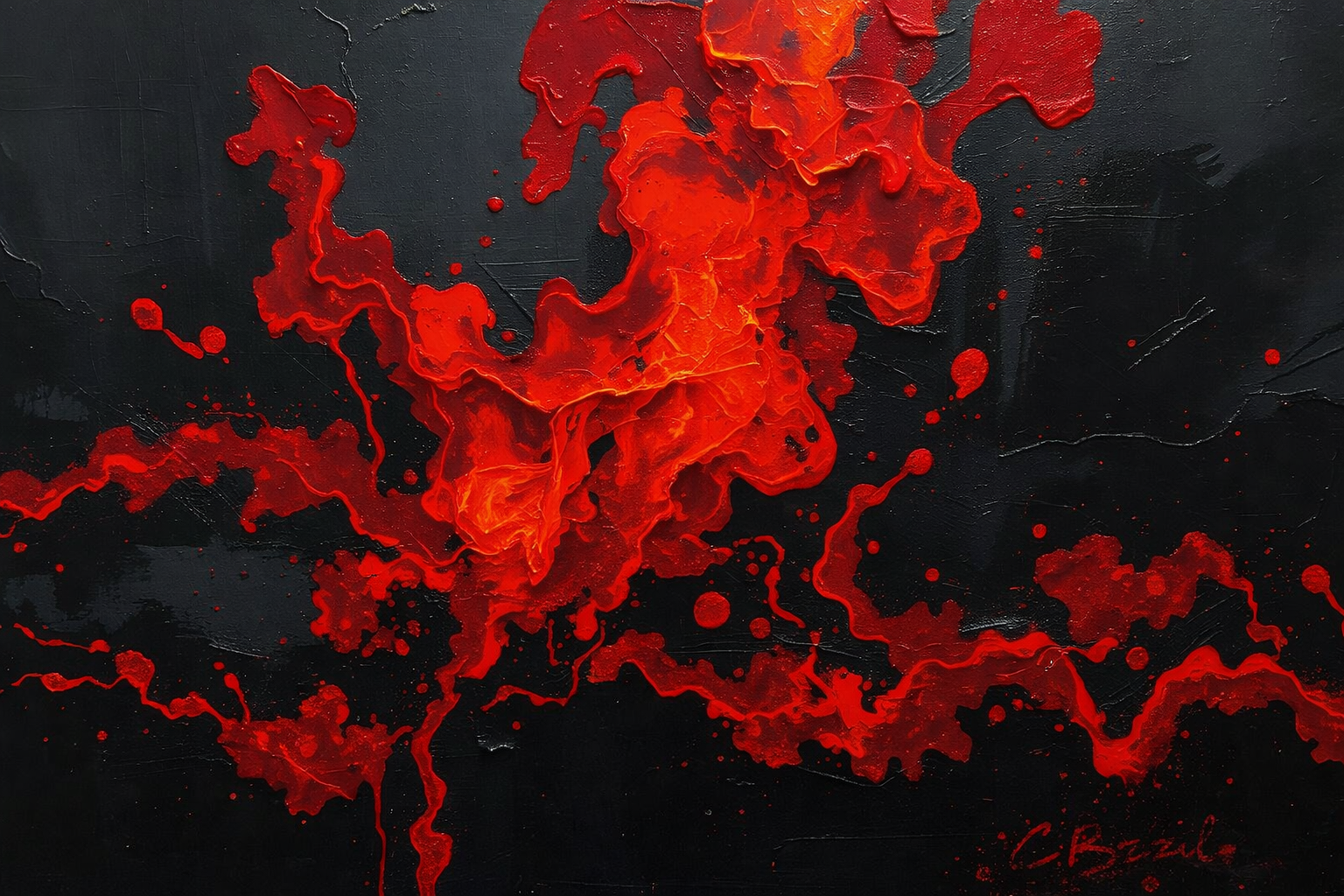
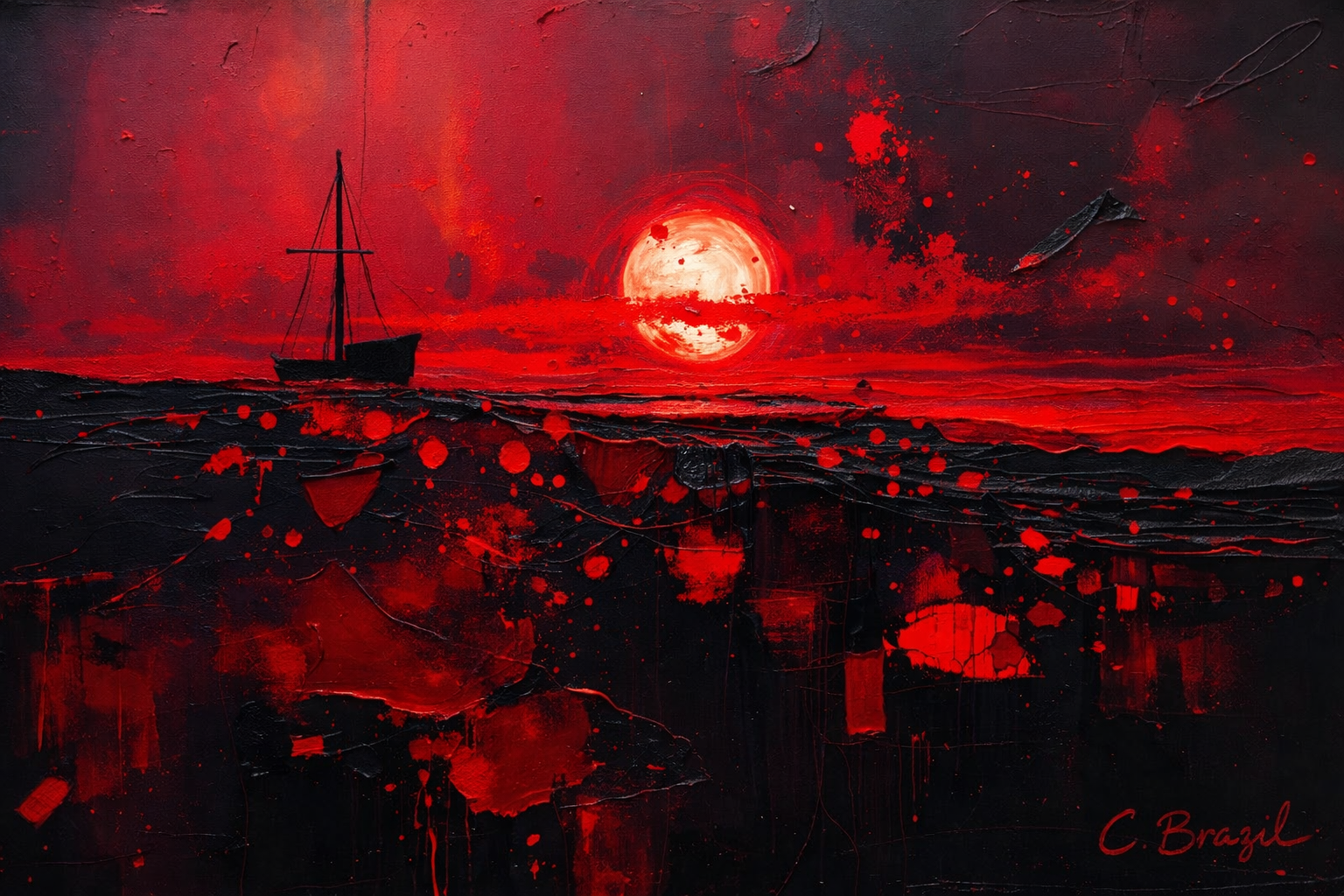
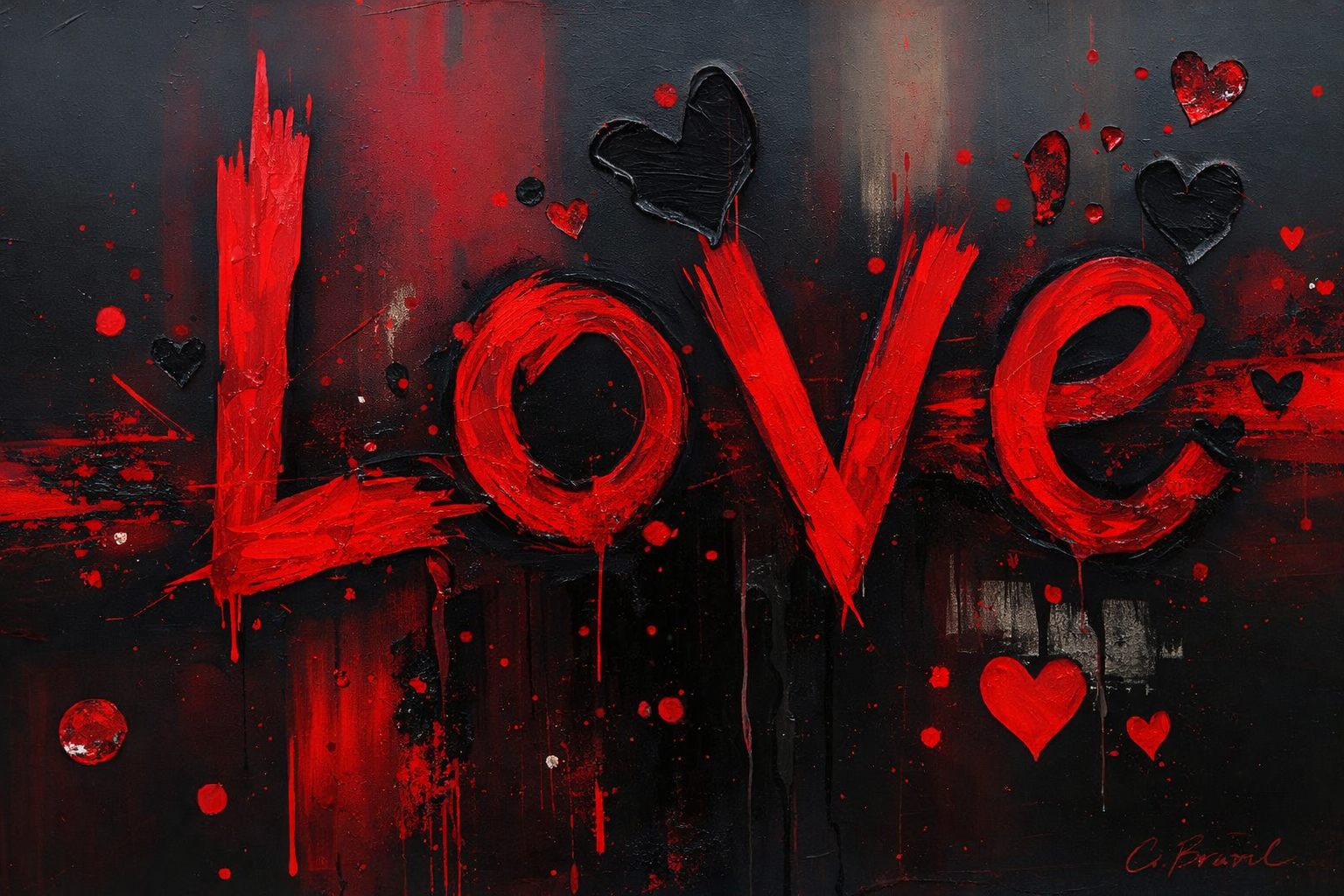
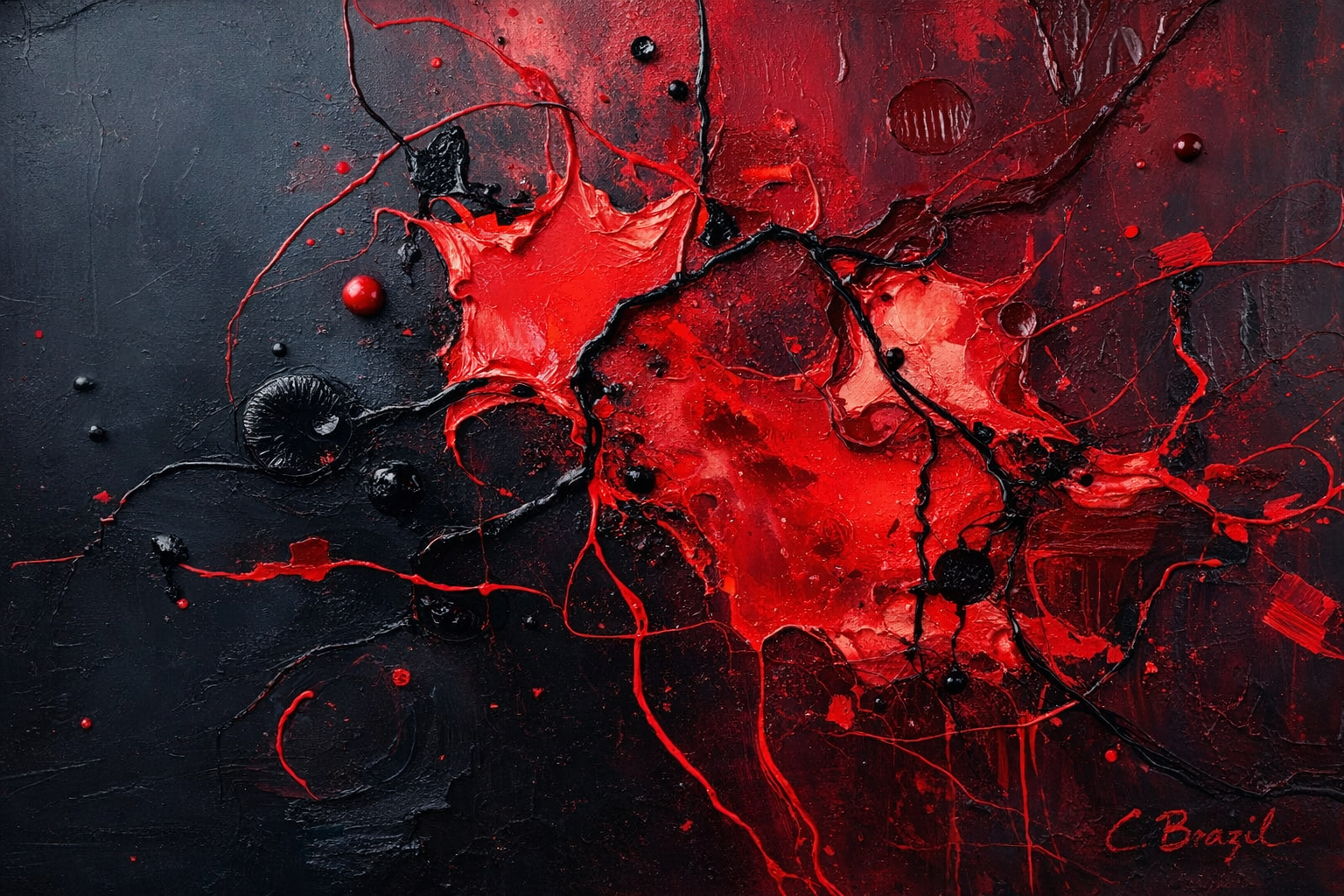
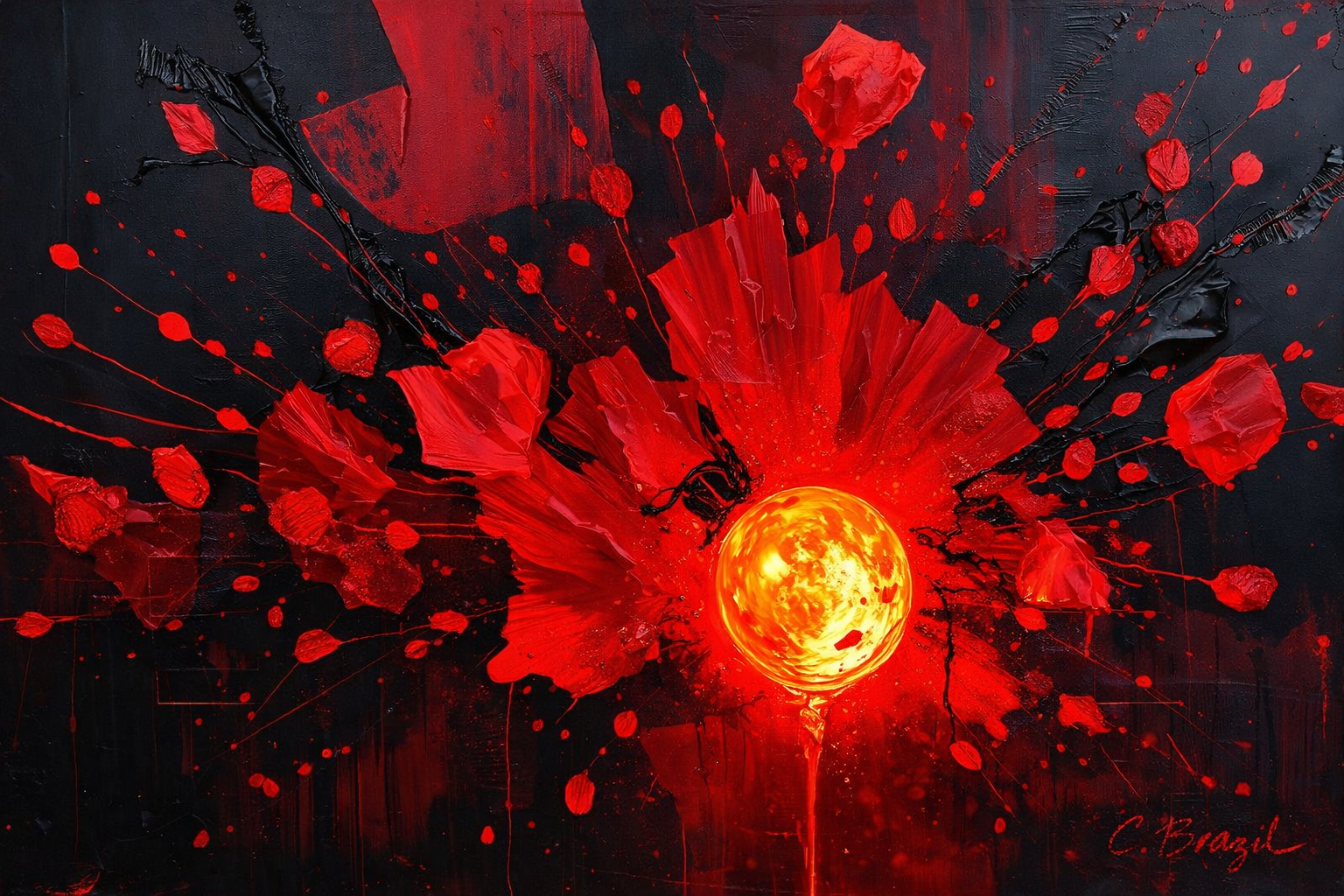
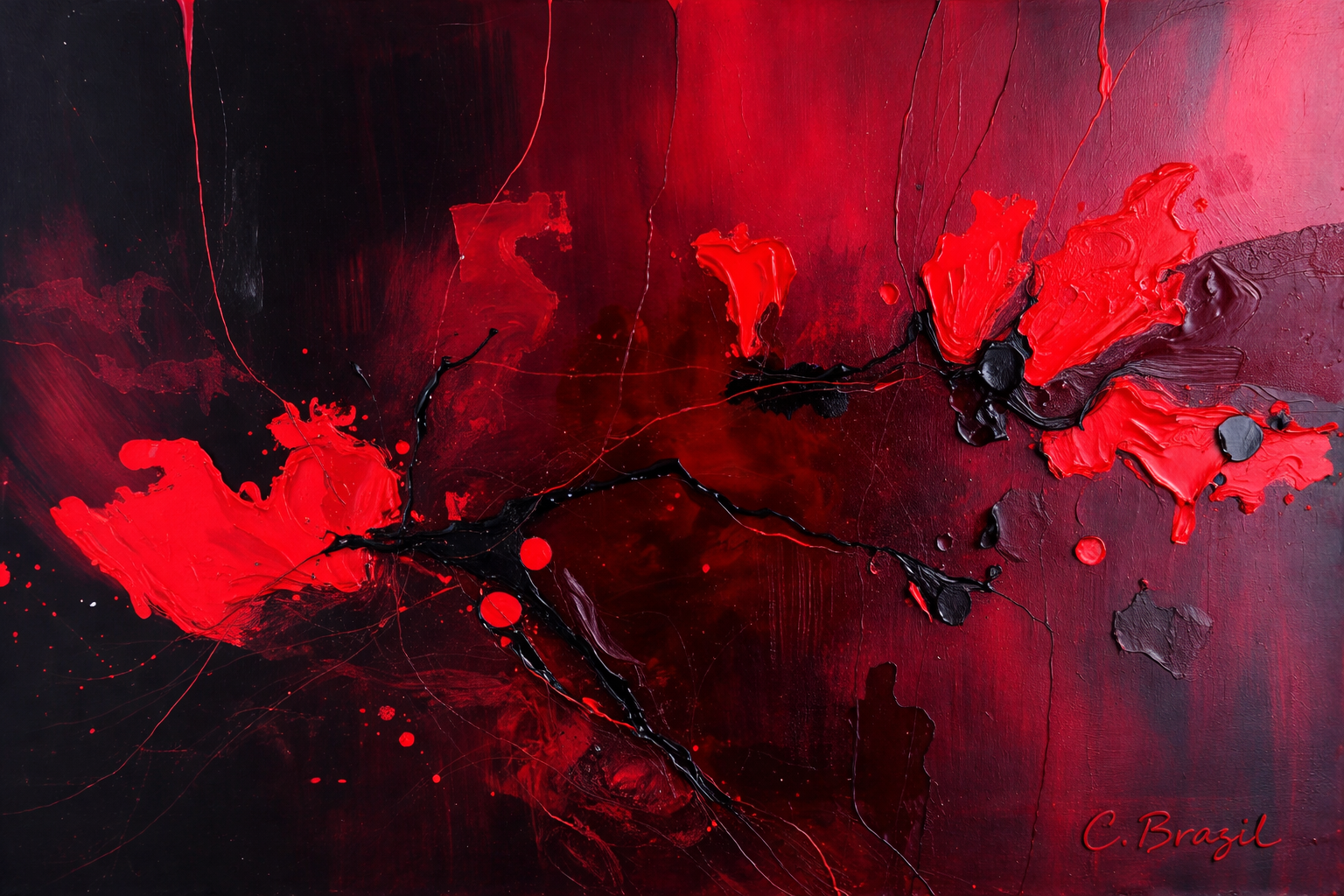
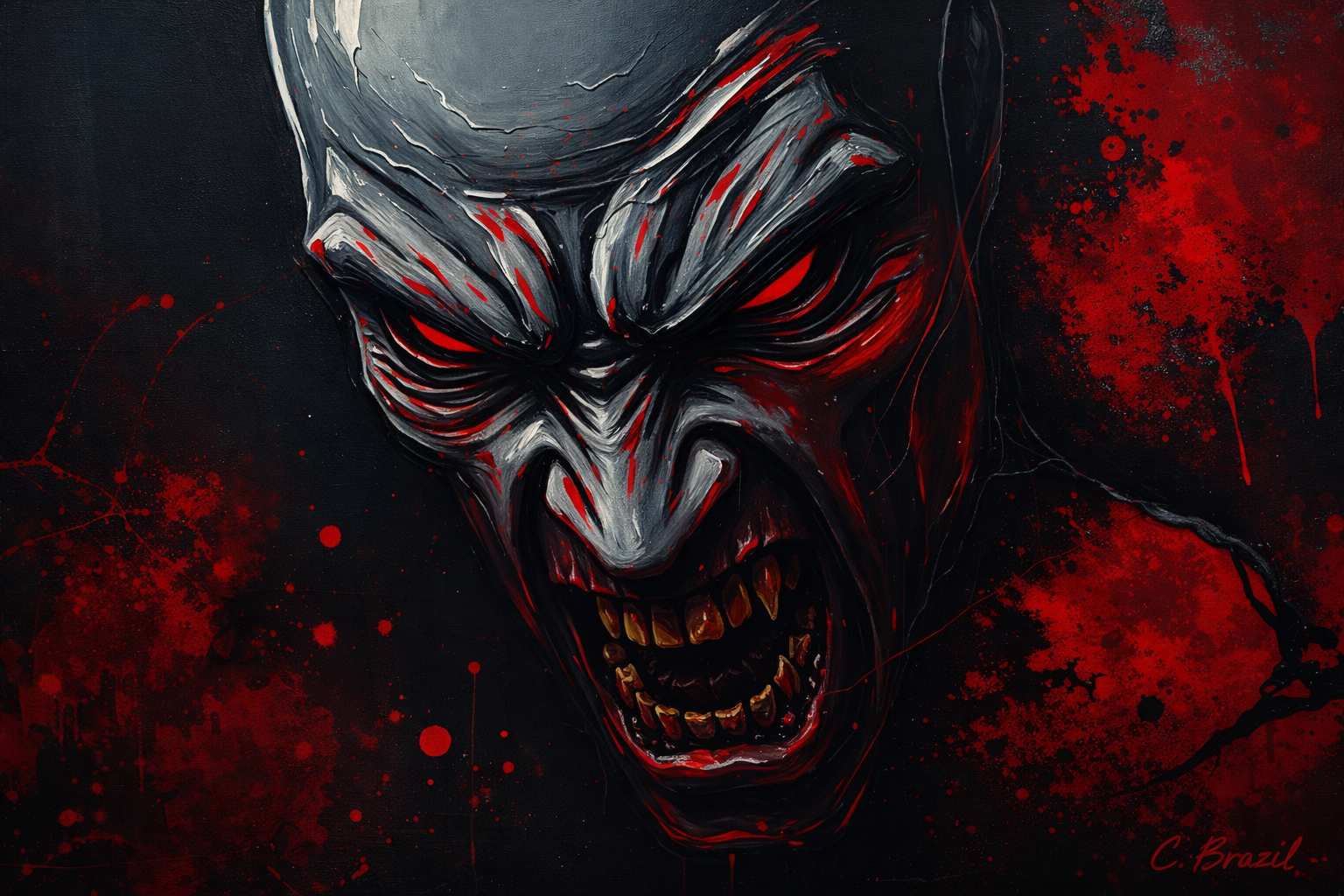
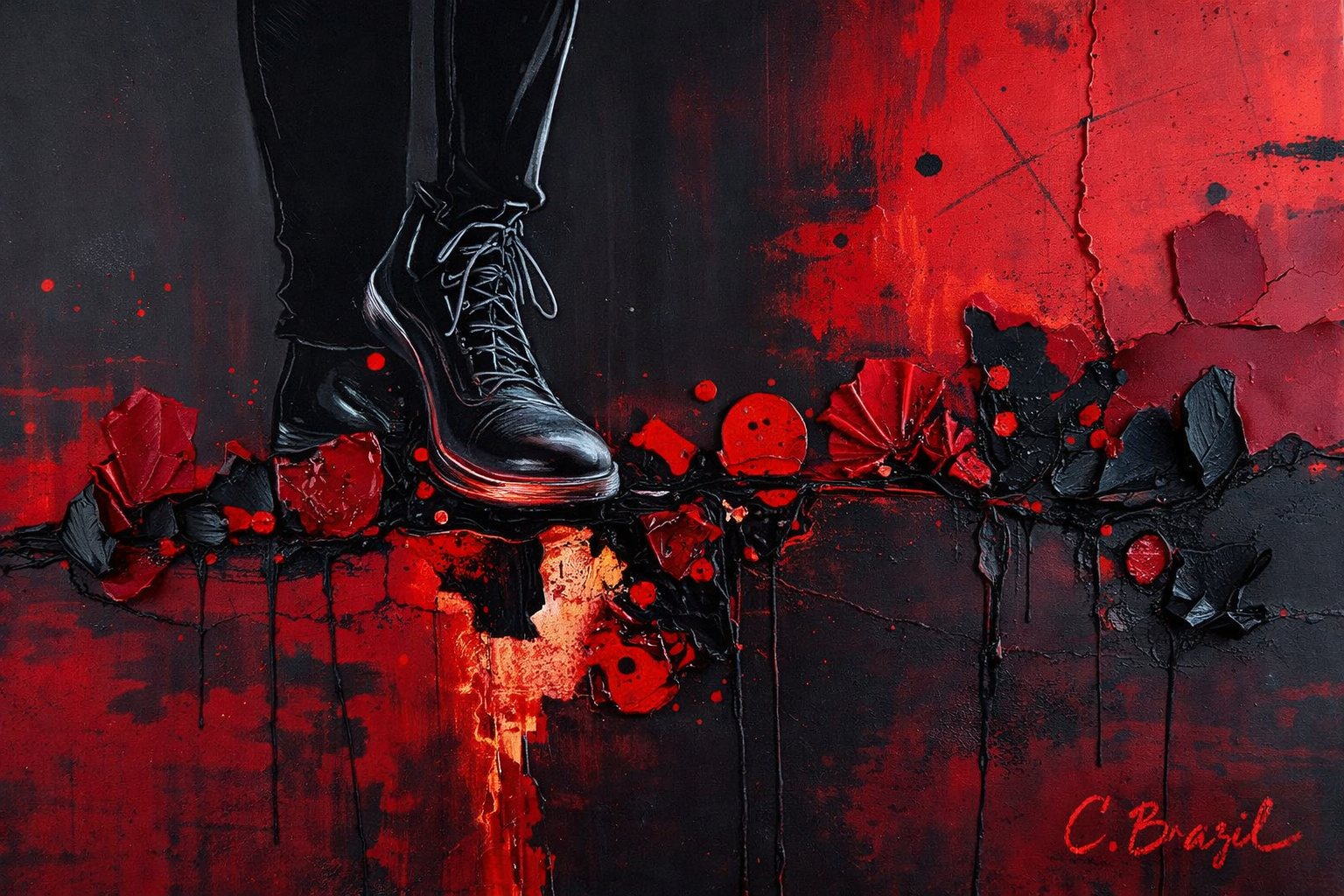
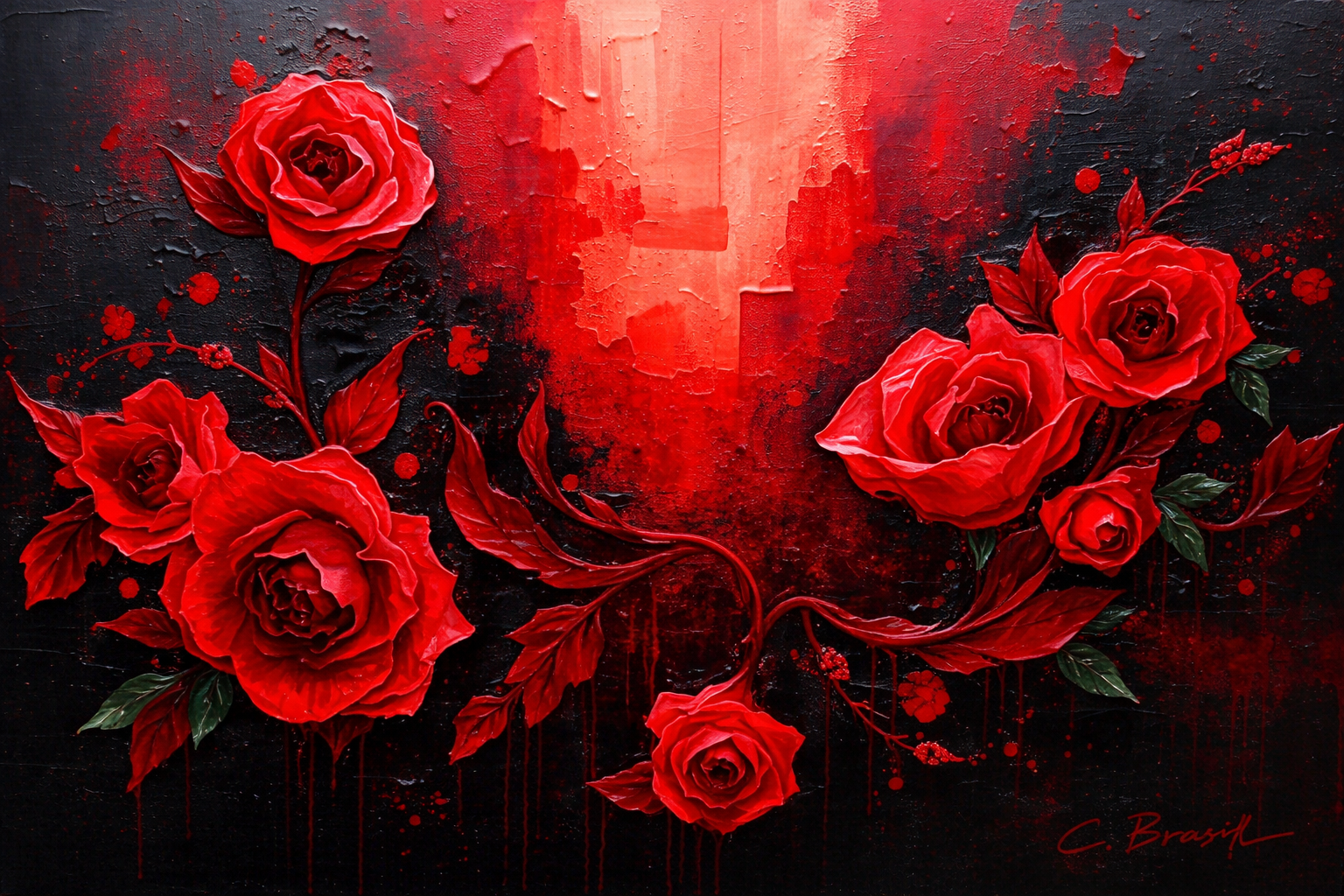
Lessons in Love and Hate
Museum-Quality Fine Art Prints
Select works are available as high-quality fine art prints through Fine Art America, professionally produced for collectors and supporters.
For Those Who Have Loved Deeply and Survived Quietly
This work often resonates with people who:
- Grew up too early
- Loved through wounds they didn’t yet understand
- Confused pain with intimacy
- Are now learning to see clearly
If you see yourself here, that is not coincidence.
Art recognizes its own.
About the Artist
Candice Brazil is an artist, writer, and trauma-informed educator whose work explores the intersection of love, injury, survival, and healing. She is the founder of Holey House, a survivor-led platform dedicated to trauma literacy, truth-telling, and repair after incest and complex trauma.
Her visual work functions alongside her writing and theory as part of a larger ecosystem documenting what trauma does, and what healing actually requires.
This Is Not Easy Art. It Is Honest Art.
If you are here to browse politely, some of this may make you uncomfortable.
If you are here because something inside you recognizes these images, welcome.
You are not imagining it.
And you are not alone.